
solder reflow profiling play in Smt pcba
Surface finishes play a crucial role in ensuring the functionality and reliability of Surface Mount Technology (SMT) printed circuit board assemblies (PCBAs). These finishes not only provide protection against environmental factors but also facilitate soldering processes, ensuring proper electrical connections between components. Several types of surface finishes are utilized in SMT PCBAs, each offering unique advantages and suitability for specific applications.
One commonly used surface finish is Hot Air Solder Leveling (HASL). HASL involves coating the PCB surface with a layer of molten solder, which is then leveled using hot air, leaving a uniform solder coating. This finish is cost-effective and provides good solderability, making it suitable for general-purpose PCBAs. However, it may not be ideal for fine-pitch components due to the uneven surface it creates.
Electroless Nickel/Immersion Gold (ENIG) is another prevalent surface finish in smt pcba. It involves depositing a layer of nickel followed by a layer of gold over the copper traces. ENIG offers excellent corrosion resistance, flat surface topography, and good solderability, making it suitable for high-reliability applications such as aerospace and medical devices. Its flat surface is conducive to fine-pitch component placement and wire bonding.
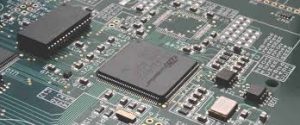
What role does solder reflow profiling play in Smt pcba?
For applications requiring high lead-free soldering compatibility and increased reliability, Immersion Silver (ImAg) surface finish is preferred. ImAg involves immersing the PCB in a solution containing silver ions, resulting in the deposition of a thin silver layer on the copper traces. This finish provides a flat surface, good solderability, and is suitable for fine-pitch components. However, it is susceptible to tarnishing when exposed to sulfide-containing environments.
Organic Solderability Preservatives (OSP) offer a cost-effective surface finish solution, particularly for applications where environmental friendliness is a priority. OSP involves applying a thin organic layer over the exposed copper traces, providing protection from oxidation prior to soldering. It offers flat surface topography, good solderability, and is suitable for fine-pitch components. However, OSP-coated PCBs have limited shelf life and require careful handling to prevent contamination.
For applications requiring robust protection against harsh environments and extended shelf life, Electroplated Nickel/Gold (ENEPIG) surface finish is utilized. ENEPIG involves depositing a layer of nickel, followed by a layer of palladium, and finally a layer of gold over the copper traces. This finish offers excellent corrosion resistance, solderability, and is suitable for wire bonding. However, it is relatively expensive compared to other surface finishes.
In recent years, Immersion Tin (ImSn) has gained popularity as a surface finish for SMT PCBAs, especially in high-speed digital applications. ImSn involves immersing the PCB in a solution containing tin ions, resulting in the formation of a thin tin layer on the copper traces. This finish provides excellent flatness, good solderability, and is compatible with lead-free soldering processes. However, it requires careful handling during assembly to prevent tin whisker formation.
In conclusion, the choice of surface finish for SMT PCBAs depends on various factors such as cost, reliability requirements, environmental considerations, and compatibility with assembly processes. Design engineers must carefully evaluate these factors to select the most suitable surface finish for their specific application, ensuring optimal performance and longevity of the printed circuit board assembly.