
Flux Play in SMT Assembly
Smt assembly is a crucial step in the production of high-quality electronic components. It involves the process of assembling and fixing printed circuit boards (PCBs) with soldering. There are three main steps in smt assembly, including solder paste printing, component placement and reflow soldering. Each of these steps requires specific tools and skills, and it is essential to choose the right flux for each step.
Flux is a highly versatile product that has a variety of uses. It cleans oxidation and helps solder flow smoothly to create strong and reliable connections. In addition, it helps prevent defects and improve the quality of the finished product. In addition, flux can be used to clean and protect the surfaces of electronic components. It also helps maintain a uniform appearance and ensures the integrity of the solder joints.
The right type of flux depends on the type of metal you’re working with. Rosin flux is a popular choice for electronics assembly because it’s natural and non-corrosive. It can be cleaned with a variety of solvents, but it’s best to use a water-soluble flux if you have sensitive equipment or want to avoid the risk of chemical contamination.
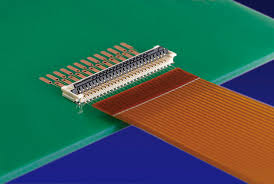
What Role Does Flux Play in SMT Assembly?
In addition to selecting the appropriate type of flux, it’s important to consider how easy it is to remove from your PCB after soldering. Some types of flux leave behind residues that can cause problems with testing and conformal coating. Choosing a flux that is easy to clean will ensure you get the most accurate and consistent results.
There are a few different types of Smt assembly fluxes, each designed to serve a particular purpose. For example, rosin-based flux is revered for its natural derivation and beneficial properties, while no-clean flux is engineered for time efficiency by reducing the need for post-soldering cleaning. Both types offer advantages, but it’s vital to choose the right one for your project.
Before you begin Smt assembly, it’s important to prepare the surface of the PCB by removing any dirt or debris. To do this, wipe the area with a suitable solvent. Then, wipe a thin layer of flux over the pads and terminals where you plan to solder. It’s also a good idea to apply a small amount of solder to the pads. This will help keep the solder from oxidizing and prevent it from spreading beyond the intended area.
There are several factors to consider when selecting a flux, including its compatibility with your specific alloy and the SMT process you’re using. The ideal flux should be compatible with your alloy and provide a smooth flow while providing good wetting characteristics. It should also be non-corrosive and contain no ionic contaminants.
It’s also important to make sure the flux is safe for use in your SMT process. Some types of flux emit toxic fumes, which can damage the environment and even harm workers. The safest Smt assembly flux is water-soluble, which can be removed with deionized water or simple detergents.