
Ceramic Printed Circuit Board
A ceramic printed circuit board (PCB) is an electronic component made of a thin insulating layer of advanced ceramic material with a metal core. They are used to carry power and data signals within devices like phones, computers, tablets and many other electronic products. Compared to traditional PCBs, they are more durable and have superior thermal conductivity. This allows them to withstand high temperatures and provide an efficient platform for power distribution and signal transmission.
There are several types of ceramic PCBs. The type of PCB will depend on the application and required performance. For example, a high-performance ceramic PCB will have a copper or aluminum core that offers good thermal conductivity of up to 150 w / mK. It will also be coated with an aluminum nitride or alumina sheet to protect it from heat. These types of ceramic PCBs are usually referred to as metallic core ceramic (MCC).
When looking for a supplier for your next ceramic printed circuit board, it is important to consider the company’s capabilities and reputation. Look for a company with a proven track record of providing high-quality PCBs and excellent customer service. They should be able to answer any questions you have and provide a detailed breakdown of the costs associated with your project. They should also be able to offer competitive pricing and manufacturing lead times.
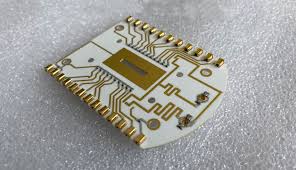
What Is a Ceramic Printed Circuit Board?
One of the biggest advantages of a ceramic PCB is that it can be designed with a thinner insulating layer than traditional PCBs. This can help reduce the size of the device, while still maintaining the same level of performance and reliability. This can be especially beneficial in devices that need to fit into tight spaces, like cell phones and tablets.
Other benefits of a ceramic PCB include its resistance to corrosion and chemical damage. This can make it an ideal choice for devices that need to be used in harsh environments or exposed to high levels of electromagnetic interference. Its insulating properties can also help protect sensitive electronics from damage due to physical stress or exposure to extreme temperatures.
A ceramic PCB is also known for its exceptional mechanical stability and can withstand a lot of stress without cracking or fracturing. This makes it an ideal choice for applications that require durability and reliability, such as aerospace or automotive devices. Ceramics are also well-known for their insulating and gas-tight properties. They can prevent electrical currents from flowing through other materials, which can cause shorts and failures. Ceramics are also very low in signal loss, which can help ensure that your device’s audio and video quality remains pitch-perfect.
A ceramic circuit board is an advanced type of PCB that can replace a traditional PCB in various applications. This is because it has superior thermal conductivity and a low coefficient of expansion. These characteristics can save your company money by reducing the need for complex and expensive engineering, while still offering the same performance and functionality as traditional PCBs.


