
key considerations for power integrity in printed circuit board design
Power integrity is a critical aspect of printed circuit board (PCB) design, ensuring that electronic devices receive clean and stable power for reliable operation. As electronic systems become increasingly complex and power-hungry, maintaining proper power integrity becomes paramount to prevent performance degradation, signal interference, and potential system failures. Several key considerations must be taken into account throughout the PCB design process to ensure robust power integrity.
One of the primary considerations for power integrity in printed circuit board design is minimizing voltage drop along power delivery paths. Voltage drop occurs due to the resistance of traces and conductive pathways, resulting in a reduction in voltage levels seen by components. To mitigate voltage drop, designers must carefully select trace widths, layer stackups, and routing configurations to minimize resistance and impedance. By optimizing the layout and distribution of power planes and traces, designers can ensure that critical components receive the required voltage levels, maintaining stable operation and preventing malfunctions.
Another crucial aspect of power integrity is managing power plane capacitance and inductance. Power planes act as reservoirs of electrical energy, providing a stable voltage supply to components across the PCB. However, parasitic capacitance and inductance within the power distribution network can affect the delivery of power to components, leading to voltage fluctuations and noise. Designers must carefully design power plane structures, considering factors such as plane thickness, spacing, and decoupling capacitor placement to minimize parasitic effects and ensure consistent power delivery.
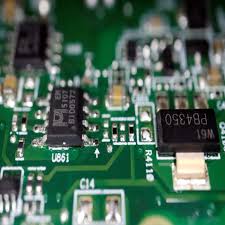
what are the key considerations for power integrity in printed circuit board design?
Furthermore, decoupling capacitors play a vital role in maintaining power integrity by filtering out high-frequency noise and transient voltage fluctuations. Placed strategically near power pins or between power and ground planes, decoupling capacitors absorb and discharge energy during sudden load changes, providing a stable and clean power supply to sensitive components. Proper selection of decoupling capacitor values, types, and placement locations is essential to effectively mitigate power supply noise and ensure reliable operation of electronic devices.
Signal integrity is closely intertwined with power integrity in PCB design, as noise and voltage fluctuations can affect the performance of high-speed digital and analog signals. To maintain signal integrity, designers must minimize power supply noise and voltage fluctuations through effective power distribution and decoupling strategies. By ensuring stable and clean power delivery to critical components, designers can minimize signal distortion, jitter, and timing errors, ensuring accurate and reliable data transmission across the PCB.
Moreover, thermal management is an essential consideration for power integrity in PCB design. Heat generated by power-dissipating components can affect the performance and reliability of the entire system if not properly managed. Thermal vias, heatsinks, and thermal pads are commonly used to dissipate heat efficiently and maintain acceptable operating temperatures. By integrating thermal management solutions into the PCB design, designers can prevent thermal-induced performance degradation and ensure stable power delivery under varying thermal conditions.
Additionally, simulation and analysis tools are invaluable for assessing power integrity in PCB designs. Advanced software packages allow designers to model power distribution networks, analyze voltage drop, and simulate transient responses under various operating conditions. By performing comprehensive simulations and analyses, designers can identify potential power integrity issues early in the design process and implement appropriate mitigation strategies to ensure reliable operation of electronic devices.
In conclusion, power integrity is a critical aspect of PCB design that must be carefully considered to ensure the reliable operation of electronic devices. By minimizing voltage drop, managing power plane capacitance and inductance, optimizing decoupling strategies, maintaining signal integrity, and implementing effective thermal management solutions, designers can achieve robust power integrity in PCB designs. Through careful planning, simulation-driven optimization, and adherence to best practices, designers can ensure that electronic devices receive clean and stable power for optimal performance and reliability.


