
PCB Manufacturers Affect Reliability
Whether used in consumer electronics or mission-critical applications, a high-quality PCB is the foundation for reliable performance. To meet stringent product reliability standards, the bare board must undergo a thorough inspection and testing process. These tests include cross-sectional analysis, which involves cutting a small section of the board and examining its layers under a microscope. It also includes temperature, humidity, vibration, and ageing tests. A thorough inspection will detect any defects that may compromise the integrity and functionality of the bare board.
Reliability is a crucial factor in the development of new electronic products. It is a measure of the ability of a component to perform its normal functions for a specified period under specified conditions and operating environments. It can be tested in a laboratory or in a real-life environment by using specialized test equipment and techniques, such as cyclic stress, thermal cycling, and electromigration.
A reputable pcb board manufacturers will offer a wide range of services, including preparing the final PCB for component assembly and manufacturing, and testing it. They will use advanced production and inspection tools to ensure that the finished product is free of defects. They will also employ a team of experienced engineers to provide technical support and help customers select the right materials for their specific projects.
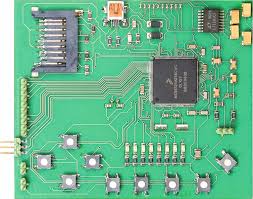
How Do PCB Manufacturers Affect Reliability?
There are a number of factors that affect PCB reliability, including the design of the board and the materials used in its fabrication. A faulty layout can lead to excessive heat generation, which in turn can cause the circuits and components to fail prematurely. This can be prevented by performing thorough reviews and simulations during the design process.
The quality of the components used in a PCB is another key factor in determining its reliability. The manufacturer must ensure that all components are compatible with the bare board and can withstand its working environment and operating voltages. They must also be able to resist corrosion, thermal shocks, and vibrations.
PCBs must be designed for a particular purpose, and the designer must ensure that they meet the performance requirements of the intended application. For example, if the board will be subjected to high temperatures, it must be designed with adequate heat sinks to prevent overheating. It is also important to ensure that the traces and pads are sufficiently large to accommodate the components and provide enough clearance for their connections.
Another issue that can reduce the reliability of a pcb is the presence of contaminants and residues on its surface. These can interfere with the electrical flow between the copper layers and cause a short circuit or other failures. Fortunately, manufacturers can minimize the risk of contamination by implementing rigorous cleaning and inspection processes.
Finally, the pcb fabricator must ensure that the bare board meets the specifications of the original PCB design. They must check that the space between the copper layer and the edge of the bare board, which is known as the copper-to-edge or plate-to-edge clearance, is within acceptable limits for the type of PCB being fabricated. This is usually determined by a comprehensive Design for Manufacture (DFM) review.