
Joints Inspected For Quality in Flexible Circuit Boards
The quality of solder joints is a critical aspect of the functionality of an electronic circuit board. Poorly wetted and dry solder joints can cause intermittent electrical connections, and they are more likely to malfunction than properly wetted and bonded solder joints. Therefore, manufacturers must thoroughly inspect their products for quality control purposes.
There are many ways to inspect printed circuit boards for quality, including x-ray inspection and visual inspection. These techniques allow for the detection of flaws in solder joints that cannot be detected with the naked eye, such as dry and brittle ones. The sensitivity of x-ray imaging also makes it possible to detect latent defects that are not apparent until the assembly experiences vibration during use.
Aside from ensuring that the quality of their products, manufacturers must also ensure that they are adhering to industry standards. These standards, such as IPC-A-610, establish standardized acceptance criteria for the quality of electronic assemblies, including solder joint integrity. Adhering to these standards helps manufacturers identify and correct defective components before they reach the final product, preventing faulty products from entering the market.
Several factors contribute to the formation of sunken solder joints, including insufficient volume of applied solder, uneven melting between component leads and PCB pads, improper soldering temperature and duration, and excessive heat and prolonged exposure. The most common source of sunken joints is insufficient volume, which occurs when the applied solder fails to cover the connection points on the component and PCB pads. This causes the solder to sink into the gap, creating depressions and a weak, unreliable solder joint.
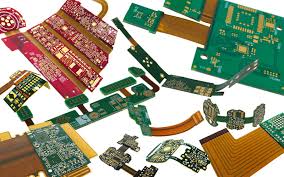
How Are Solder Joints Inspected For Quality in Flexible Circuit Boards?
The most important step in the flex circuit board manufacturing process is to ensure that all the solder points are properly welded. This requires thorough pre-soldering cleaning and deposition of solder. A thorough cleaning procedure involves tinting the PCB with solder flux, removing any excess, and thoroughly wiping the entire surface of the board. Then, the PCB is placed in an AOI system where it is imaged by a camera that uses a light source to illuminate the solder joints. The image data is then processed by the AOI system to identify and evaluate each solder joint.
The flex PCB manufacturer should ensure that the connection between the flexible circuit board manufacturers and rigid PCB is secured using either soldering or conductive epoxy adhesives. The choice of which method to use will depend on the materials used in each circuit and the size and pitch of the connection pads. For example, polyester flex circuits can be attached to rigid PCBs via soldering if the pads are large enough for the soldering process, while if they are smaller and/or require high temperatures then an anisotropic adhesive should be used.
As a leading flex PCB manufacturer, DSBJ offers a full range of services including PCB design, prototyping and mass production. The company’s experienced engineers are ready to assist with your project. Their expertise and advanced technology help you meet your exact requirements, and ensure that the end product is both safe and reliable.


