
fpc pcb different from rigid PCBs
FPCs are a type of printed circuit board that is flexible and thin. They are used in various products, including smartphones and medical equipment. They can reduce the size of a product and make it look more attractive. Moreover, they can eliminate the need for connectors and terminals, which is an important feature in a small device. FPCs also have the ability to flex, which allows them to adapt to the shape of a product and save space.
Rigid PCBs are the traditional printed circuit boards that most people think of when they hear the word “circuit board.” These are made from rigid materials and have areas where the components can be connected with wires. These boards are found in most electronic devices, and they remain the preferred option for most applications unless there is a specific technical reason to use a flex or rigid-flex PCB.
A flexible fpc pcb, or flex circuit, is a sheet of copper with an upper and lower layer of protective material. The copper is etched to produce the required patterns, which are then laminated with the protective material. The resulting layer is known as a cover coat. It is used to protect the circuits from bending or rubbing off. The conductive lines on the cover coat are then soldered together with a standard green solder mask to complete the assembly process.
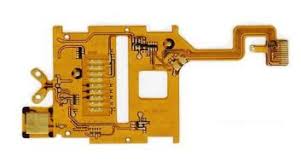
How are fpc pcb different from rigid PCBs?
To create a flex circuit, manufacturers must choose the right materials. They usually use FR-4 or a similar material that is made from glass fibers and epoxy resins. These materials are durable enough to withstand stress, and they also allow for very fine line widths. These fine lines help to keep the electrical currents flowing properly, reducing interference and improving reliability. They must also be able to withstand the forces that are put on the circuit board when it is bent or flexed.
The manufacturing process for a flexible PCB is very different from that of a rigid board. The fabrication process is more streamlined, and the components can be mounted much more quickly. This saves time and money, which is important in the electronics industry.
Another benefit of a flex circuit is that it can flex and bend without damaging the copper. This is very useful in the design of a mobile phone or any other device that needs to be flexible. The flex circuit can replace the need for rigid wiring and connectors in many applications, and it will also reduce assembly costs.
The flex circuit can be printed with any type of component, from simple sensors to complex microprocessors. They can also be used to connect outputs from several devices, such as a GPS receiver and a battery. This makes them an ideal solution for electronic products that need to be lightweight, compact, and portable. For example, a smartphone needs to have a display, buttons, and a power source. A flex circuit can provide all of these functions and connect them to the battery.