
role of conformal coating in PCB printed circuit board assembly
Conformal coating, a protective layer applied to Printed Circuit Boards (PCBs) during assembly, plays a critical role in safeguarding electronic components against a myriad of environmental threats. This thin film coating serves as a shield, providing insulation, moisture resistance, and protection against dust, chemicals, and mechanical stress. Its application is indispensable in ensuring the longevity, reliability, and performance of electronic devices across diverse industries.
At its core, the primary function of conformal coating is to prevent moisture ingress and corrosion, which are among the leading causes of PCB failure. By encapsulating sensitive components and traces, conformal coating forms a barrier that shields against environmental factors such as humidity, condensation, and water vapor. This moisture resistance is particularly crucial in applications exposed to harsh operating conditions, such as automotive electronics, outdoor signage, and industrial control systems.
Moreover, conformal coating enhances the insulation properties of pcb printed circuit board assembly, reducing the risk of electrical short circuits and leakage currents. By providing a dielectric barrier between conductive elements, the coating helps mitigate the effects of high voltage spikes, transient surges, and electromagnetic interference (EMI), thereby enhancing the overall reliability and safety of electronic systems. This insulation is paramount in applications where electrical isolation is critical, such as power supplies, motor drives, and high-voltage equipment.
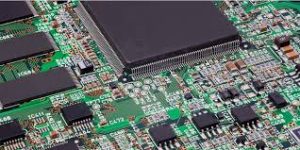
Explain the role of conformal coating in PCB printed circuit board assembly?
Furthermore, conformal coating offers protection against chemical contaminants and corrosive agents that can degrade PCB materials over time. Whether exposed to corrosive gases, solvents, or industrial pollutants, the coating acts as a barrier, preventing chemical ingress and preserving the integrity of electronic components. This chemical resistance is vital in industries such as aerospace, defense, and oil and gas, where exposure to corrosive environments is commonplace.
In addition to environmental protection, conformal coating aids in enhancing the mechanical durability of PCB assemblies. By encapsulating delicate components and solder joints, the coating provides a layer of cushioning that helps absorb shock and vibration, reducing the risk of mechanical failure due to mechanical stress or physical impact. This mechanical resilience is particularly crucial in applications subject to transportation, handling, or rugged operating conditions, such as automotive electronics, avionics, and ruggedized consumer devices.
Moreover, conformal coating can aid in improving thermal management by facilitating heat dissipation from electronic components. Certain types of coatings, such as thermally conductive formulations, help transfer heat away from hotspots and dissipate it across the PCB surface, thereby reducing operating temperatures and enhancing thermal performance. This thermal management capability is vital in high-power applications, such as power electronics, LED lighting, and renewable energy systems, where efficient heat dissipation is essential for optimal performance and reliability.
In conclusion, conformal coating serves as a versatile and indispensable element of PCB printed circuit board assembly, offering a myriad of benefits that enhance durability, reliability, and performance. From moisture resistance and corrosion protection to insulation, mechanical resilience, and thermal management, the role of conformal coating extends far beyond mere surface protection. As electronic devices continue to proliferate across various industries, the importance of conformal coating in safeguarding these systems against environmental hazards and ensuring long-term reliability is poised to grow, driving advancements in electronic design and assembly practices.


