
Flex Circuits More Expensive Than Traditional PCBs
The initial cost of flex circuits can be higher than traditional rigid PCBs, but the long-term benefits make them an excellent option for many applications. A number of factors can influence the final price of a flex board, including material costs, manufacturing processes and design complexity. The type of base material and copper thickness can also have a significant impact on the overall cost. High-performance materials that offer better thermal stability or electrical performance can increase the cost, while thinner copper layers will decrease it. The choice of insulators and adhesives can also impact the total cost.
Rigid flex circuits require more manufacturing steps than rigid boards, which can add to the total cost. This is especially true for specialized designs that feature multiple layers and complex routing, as well as a high degree of bendability. The use of advanced manufacturing techniques can also result in an increased price, such as laser drilling and sequential lamination.
In addition to the base material and copper layer, the conductors of a flex circuit will impact the final cost. Different types of metal foils can be used to create the conductive path in a flex circuit, but copper is the most common choice due to its good balance of cost and physical/electrical properties. Other foils may be available that have greater etching capabilities, but these will generally be more expensive than copper.
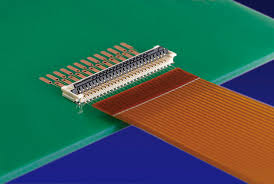
Are Flex Circuits More Expensive Than Traditional PCBs?
Other materials in a flex circuit can include dielectrics, flexible solder mask, stiffeners and coverlay. These can be added to increase reliability, but will typically increase the fabrication cost and thickness of the circuit. Conductors on a flex circuit must be staggered to limit stress on the connections between them, and this can also affect the final thickness of the board. Stiffeners can increase handling sensitivity, and the type of covering used on the conductors will impact reworkability.
Using rigid-flex PCBs can simplify system design by eliminating the need for separate wire and cable assemblies. This can reduce assembly costs and improve overall efficiency by reducing the time needed for component placement and inspection. It can also improve reliability by reducing the risk of mechanical stresses that could cause failure in dynamic environments.
A flex circuit’s flexibility can help reduce the overall size of the electronics, making it ideal for smaller products and confined spaces. This can also cut down on the amount of wiring, which can be expensive in terms of material and labor costs.
The cost of a flex circuit can vary depending on the application and requirements, but it’s important to weigh up all the options and consider the benefits before choosing a substrate for your next project. The overall cost of a flex circuit can be lower than that of using traditional PCBs, particularly when you’re producing large quantities.
If you’re considering a flex circuit, it’s best to consult with a PCB manufacturer with expertise in both rigid and flex construction. They can provide advice on design feasibility and cost-effectiveness.


