
Megtron 7N Contributes to Better Signal-To-Noise Ratios
The most important part of any device is the signal-to-noise ratio, or SNR. This measure determines how much useful data is transmitted between the transmitter and receiver of a system. If unwanted signals muddle or corrupt the desired data, it becomes difficult to decipher what is being sent, which may lead to malfunctioning devices or even failure. To avoid this, designers and manufacturers need to choose the right materials for their PCBs. Panasonic’s lineup of Megtron materials is designed specifically to tackle this challenge head-on. Think of them as the bodyguards for your signals, designed to minimize signal loss and interference while keeping your systems performing at peak levels.
Megtron 7N is one such material, engineered for top-tier performance in high-speed applications. With an ultra-low dielectric constant and low dissipation factor, it helps to maintain signal integrity in demanding applications. This means that your designs can be more accurate and reliable, while still meeting stringent performance standards.
This is why megtron 7n is used in applications like telecommunications equipment, where high-speed transmissions are crucial. Its thermal stability and low signal loss make it ideal for telecommunication circuit boards, which are often in harsh environments and require robust constructions to ensure reliability.
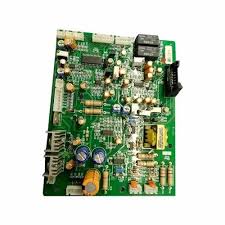
Panasonic Megtron 7N Contributes to Better Signal-To-Noise Ratios
Another industry where Megtron 7 is used is aerospace technology. In fact, engineers chose Megtron 7 for the main communication board of a satellite, which needed to operate seamlessly during the launch and while orbiting the Earth. The combination of Megtron’s superior heat resistance and low dielectric loss helped to ensure that the satellite’s communications system worked as intended.
When you’re working on projects that demand the highest performance, Megtron is a great choice for your multilayer PCBs. This material is a great option for high-speed applications and helps to cut down on interference, which allows you to design more intricate, high-performance circuits. Megtron 6 is also a good option for high-speed RF applications, thanks to its ability to handle high frequencies without causing interference.
The best way to optimize the SNR of your multilayer circuits is to follow recommended manufacturing practices, which include layer separation, copper plating, etching, applying surface finishes, and testing. Megtron is compatible with most standard PCB manufacturing processes, so you can use it for a wide variety of your electronic projects. Megtron 7N is a high-performance, advanced material used in the manufacturing of printed circuit boards (PCBs). It is a type of laminate made from polyphenylene sulfide (PPS) resin, which is designed specifically for high-speed and high-frequency applications. With the increasing demand for faster and more reliable electronics, especially in fields like telecommunications, aerospace, and automotive industries, materials like Megtron 7N have gained significant attention for their superior performance.
With Megtron 7, you can be confident that your multilayer circuits will provide top-tier performance for a wide range of applications. So whether you’re working in telecommunications, automotive, or aerospace, be sure to consider Megtron when designing your next project. It’s a great option for those who need high-speed, quality performance at a cost-effective price.

