
PCB Stiffener Reduce Thermal Deformation
pcb stiffener bolster the structural stability of flexible or rigid-flex circuit boards and increase their longevity and dependability. They are available in a variety of materials to suit different applications and operating conditions, including FR4, PI, aluminum and stainless steel. Regardless of the material selected, careful consideration is required to ensure optimal functionality, mechanical stability and manufacturability. Incorporating the right design and assembly techniques will also help to ensure that stiffeners are not causing unintended or adverse effects.
Stiffeners can be attached to flexible circuits using PSA or thermal bonding, with either method providing good mechanical support. However, the attachment method used must be carefully considered as it may impact the stiffness of the stiffener and its performance in dynamic applications. Incorrect positioning of stiffeners can interfere with the natural flexing and bending characteristics of the circuit board, potentially leading to mechanical stress and cracking of the traces. In contrast, using a high-quality and compatible adhesive is essential for achieving robust and durable attachment of stiffeners.
A common choice of stiffener material is FR4, which is made of a woven glass-fiber laminated epoxy hardboard with copper impregnated within the laminate. It is a highly durable material with excellent insulation properties and resists high temperatures. Often, copper pads or plated holes are added to a FR4 stiffener for component mounting purposes. Alternatively, some manufacturers offer a copper-free version of the stiffener known as a PI or polyimide stiffener. Unlike FR4, a PI stiffener is much more flexible and has improved chemical resistance.
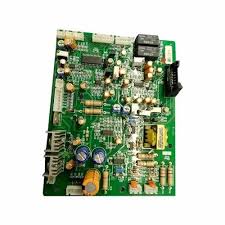
Can a PCB Stiffener Reduce Thermal Deformation?
The main function of a PI stiffener is to provide additional rigidity for critical areas on the circuit board, such as buried or blind cavities or large connector areas. These areas are subject to significant stresses during the pick and place and reflow assembly processes, making them vulnerable to damage or failure. Stiffeners can protect these critical areas from damage and enable the use of smaller, more compact components that can be inserted into tight spaces with ease.
In addition to increasing the rigidity of a flex circuit, a PI stiffener can also improve the board’s electrical conductivity by eliminating the need for thick copper traces in these areas. This helps to reduce overall board thickness and weight and can significantly speed up assembly times.
Other than strengthening specific regions of a flexible circuit board, a PI or FR4 stiffener can be useful for reinforcing connections, ports and breakable points to prevent flex circuits from becoming damaged during the connection and disconnection process or normal operation. Stiffeners can also serve as mounting points for auxiliary components like heat sinks or sensors, adding more functionality to the circuit board.
A FR4 stiffener can also be helpful in areas where extra rigidity is required that exceeds what a PI or PI-based flex circuit board can handle, such as in harsh or rugged environments. However, this requires the adherence to strict engineering and assembly standards and thorough prototyping to avoid introducing unintended or undesirable issues during the manufacturing process.
